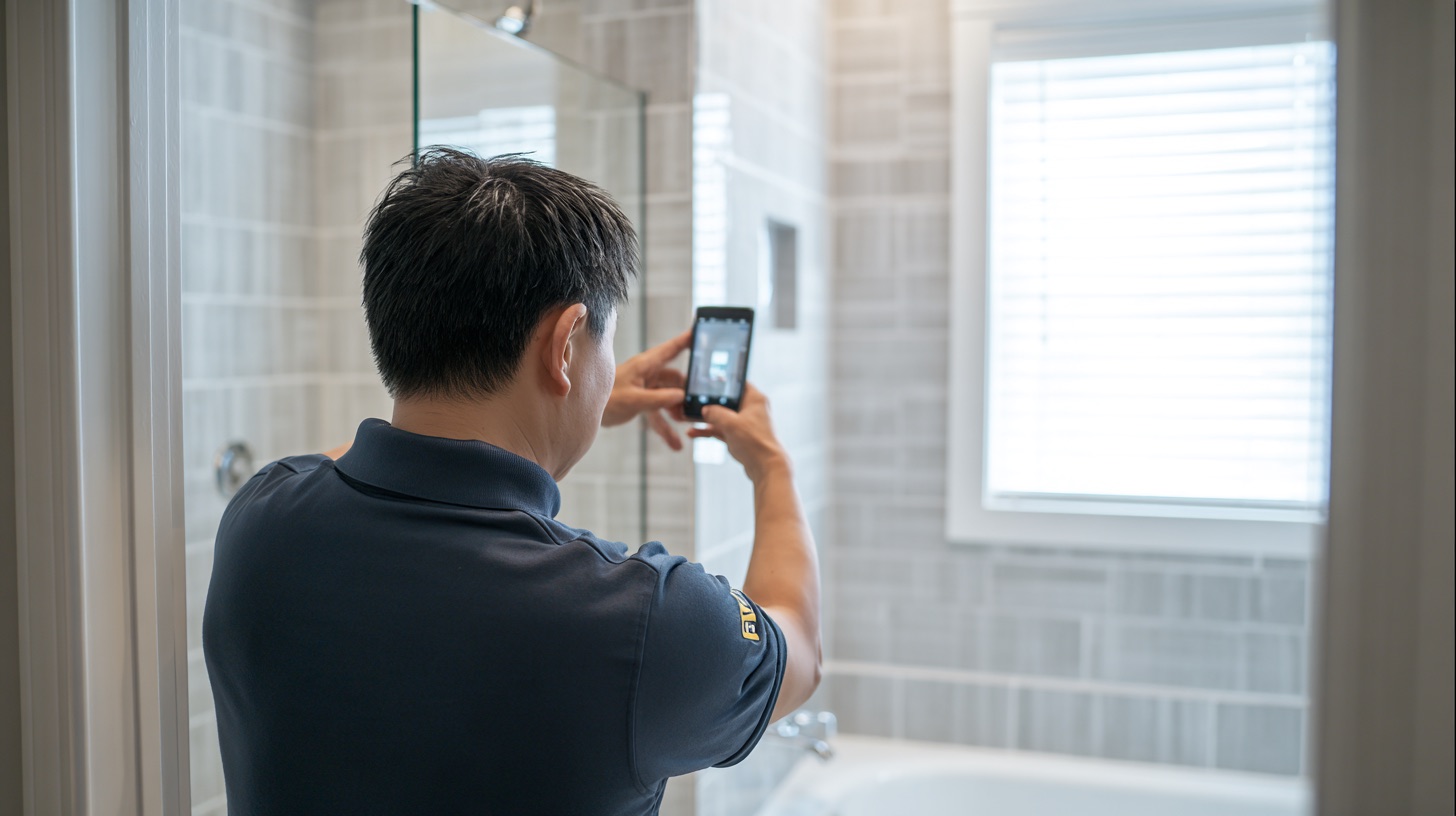
Talking your report instead of typing it is a real time saver, but the quality of what comes out still depends on the quality of what you say. A clear spoken comment matches cleanly to your library and reads well. A mumbled, half-finished one makes more work later. The good news is that recording great voice comments is a skill, and it takes about a week to build. Here is how.
Say the finding as a whole thought
The single biggest habit: speak a complete observation, not a fragment. Not "roof, worn." Say the whole thing the way you would want it to read. "The asphalt shingles are worn near the north valley, consistent with age, recommend monitoring." A complete thought matches better to your saved comment and stands on its own if it ends up used as spoken.
Think of each comment as one clean sentence you would be comfortable seeing in the finished report.
Lead with location, then condition, then recommendation
A simple order makes your comments consistent and easy to match: where it is, what you see, what you advise. "At the water heater, minor corrosion on the top fitting, recommend a plumber evaluate." That structure matches your library reliably and reads clearly to a buyer. Pick an order and keep to it, and your reports get more consistent on their own.
Mind the negations
Be crisp when you are clearing something. Say "no damage observed at the foundation," clearly, as a full phrase. Good software is built to tell "no damage" from "damage" and read the meaning, so it does not just grab any comment with the word damage in it. You help it, and protect yourself, by speaking the negative plainly rather than trailing off. This is the one place where a clear habit directly lowers your risk.
Speak at a normal pace, close to the mic
You do not need radio-announcer diction. You need a normal, unhurried voice with the phone or tablet a reasonable distance from your mouth. Slow down a touch in loud spots, near a running furnace or on a windy roof. Clean audio transcribes cleanly, and clean transcription matches cleanly.
Do not narrate the room, narrate the report
A common early mistake is talking to yourself: "okay let me see, hmm, what is this over here." That is thinking out loud, not a comment. Do your looking, then say the finished observation. Keep the recorder for the report sentence, not the internal monologue, and there is far less to clean up.
Trust the fallback, but aim not to need it
Good software, if it cannot confidently match what you said to your library, will keep your own spoken words rather than guess. That is a safety net, not a target. The better your spoken comment, the more often it matches your polished saved wording, and the less editing you do later. Aim to speak comments good enough that either outcome reads well.
Build your library as you go
When you speak a comment you love that was not already saved, save it. Over a few weeks your spoken habits and your library grow together, matches get sharper, and your reports get faster and more consistent. Your voice and your library are a team.
How Mach One uses your voice
You talk as you walk, and your spoken observation is matched to your own saved library and placed in your exact words, or kept as your own speech if nothing fits well enough. It is built to read meaning, including negations. The cleaner your comment, the cleaner the match, and the sooner you are done.
Your software is shutting down. We import the library you spent years building.