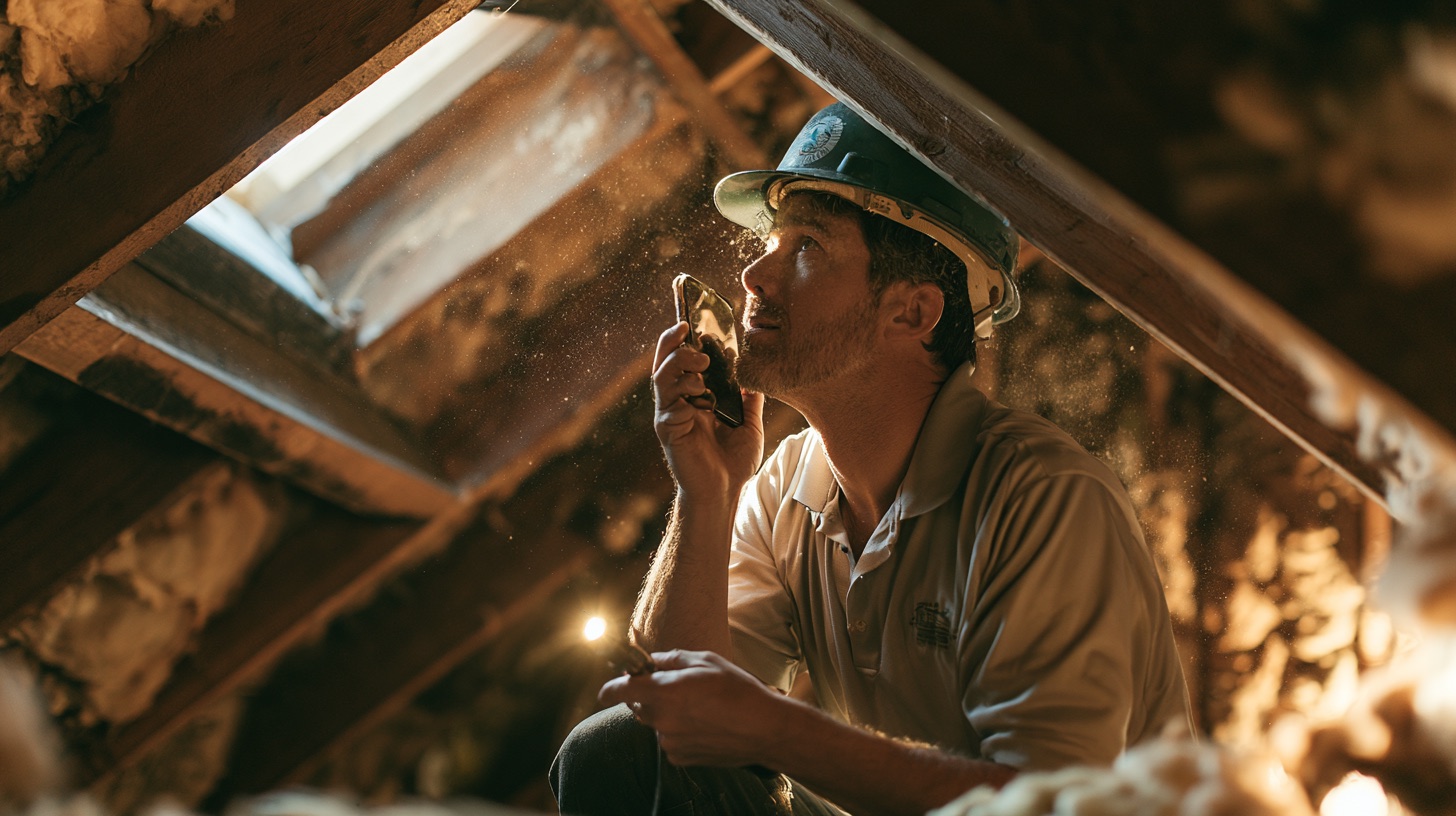
AI can write an inspection comment in a second. That is real, and some of it is genuinely useful. But there is a difference between AI that helps you use your own words faster and AI that writes new words for you and hopes you catch its mistakes. On a document with your license and your name on it, that difference is not a style choice. It is a safety line. Here is why your reports should sound like you, and why that is about more than pride.
The report is a legal document, not a blog post
Start with what a report actually is. It is the thing an agent reads, a buyer relies on, and a lawyer pulls out if a deal goes bad two years later. Every sentence in it can be held against you. That is a very different job than writing that just needs to sound nice. It needs to be exactly right, and it needs to say what you meant, because what you meant is what you will have to defend.
The "no damage" trap
Here is the sharpest example, and it is not made up. You inspect a roof. You say, out loud, "no damage to the roof." A basic AI matching tool listens, sees the word "damage," and pastes in a comment that says "damage observed."
Now your report says the opposite of what you found. Maybe you catch it. On report number four of the day, tired, ready to leave, maybe you do not. That single flipped comment can blow up a deal, wreck your credibility, and put you in front of a lawyer explaining why your own report contradicts what you saw. The tool did that, but your name is on it.
A report should never be able to say the opposite of what you said. A tool that truly understands "no damage" versus "damage," instead of just matching the word "damage," is the difference between a safe report and a lawsuit waiting to happen.
The robot-text problem
Even when generated text is not flat wrong, it has a quieter cost. AI that writes brand new comments, often trained on thousands of other inspectors' reports, produces writing that is an average of a crowd. It reads smooth and says a little less than you would, or a little more, or just slightly off from how you would put it.
So you sit down after the inspection and fix it. Every report. That is the second shift: the desk work at night, editing a robot's guesses back into your own voice and your own accuracy. You bought software to get your evenings back and it handed you homework instead.
Your words are your protection
Your own comments are careful for a reason. You wrote them over years, some of them after a hard lesson, all of them in wording you have already checked and can stand behind. When a report is built from your saved words, three things are true at once: it sounds like you, it is accurate because you already vetted it, and it is defensible because you have said it before and meant it.
That is what "sounds like you" really buys. Not vanity. Safety, speed, and a report you do not have to babysit.
The better way to use AI
The answer is not to fear AI. It is to point it at the right job. The good version of AI in inspection does not write new sentences for you. It listens as you talk and pulls your own saved comment, in your exact wording, into the right spot, live, while you walk the house. You supply the voice. The AI supplies the speed. Nothing is invented, nothing needs rewriting, and the report is basically done before you leave.
That is the line to hold when you shop: does the AI write for me, or does it help me use my own words faster? The first hands you risk and homework. The second hands you a finished report.
How Mach One is built
We built Mach One on your words, not a robot's. As you talk, it matches your own saved comments, in your exact wording, and drops them where they go, so your report sounds like you and is done on site. It is built to tell "no damage" from "damage," so it does not just grab any comment with the word damage in it. We import your existing library in your exact words across 7 file types, your data and clients stay yours, and it keeps working offline in the crawlspace.
Your software is shutting down. We import the library you spent years building.