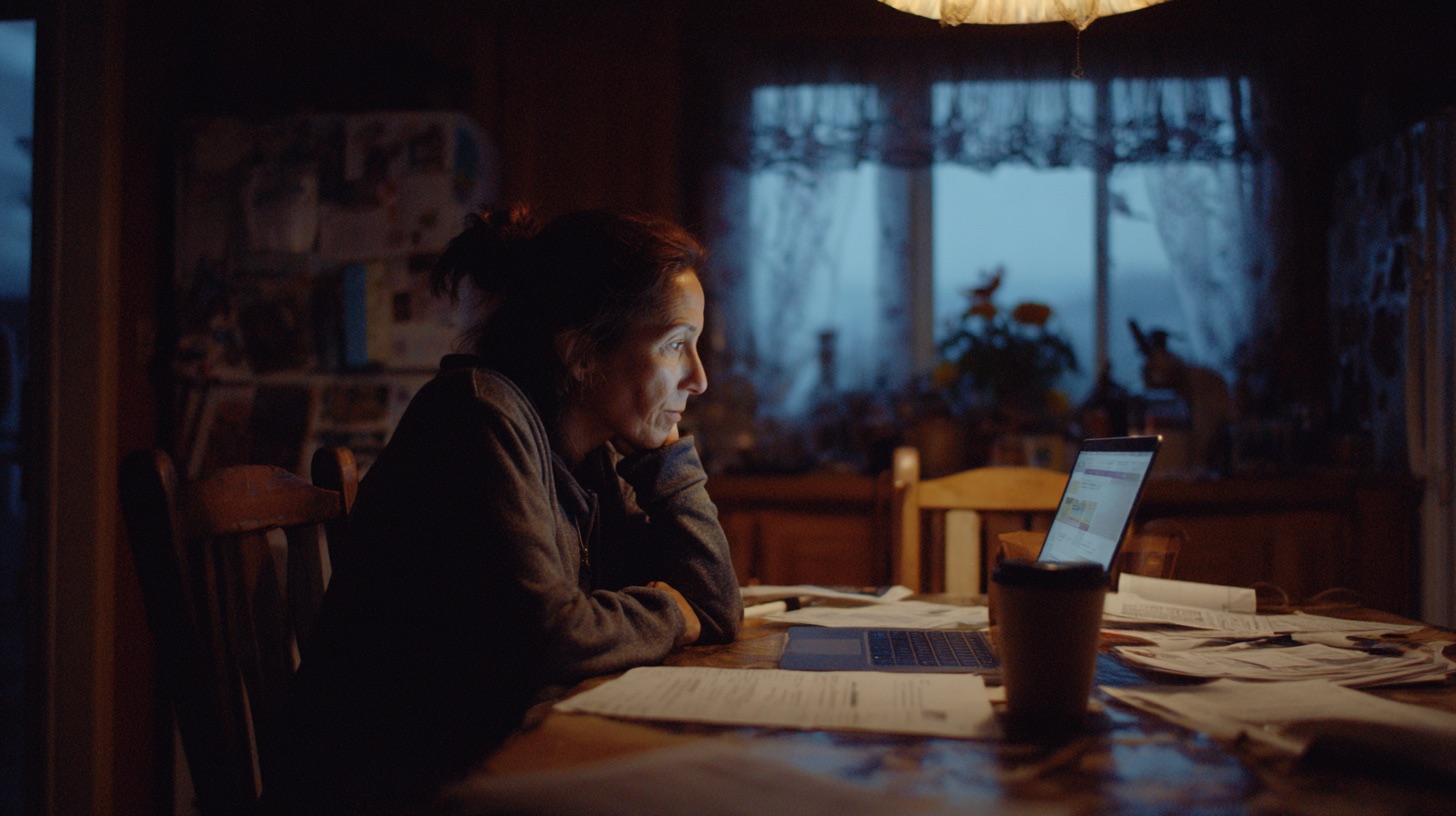
The inspection ends when you lock the door and walk to the truck. The workday does not. For a lot of inspectors, the real second shift starts that night at a desk, turning a pile of notes and photos into a finished report while dinner gets cold. It has been normal for so long that it stops feeling like a problem. It is one. Here is why it happens and what it actually takes to end it.
The second shift, described
You know the routine. Home all day inspecting, then two or three hours in the evening at the computer: matching photos to rooms, expanding shorthand notes into full sentences, hunting for the right comment, formatting, proofing. Do three inspections in a day and the desk work can run longer than one of the inspections did. That is time away from family, or time you could have sold as another job.
Why it exists
The second shift is not laziness or bad habits. It is baked into how most software collects your work. If the tool only captured checkboxes and short notes on site, then someone has to turn those into readable comments later, and that someone is you, at night. The report was never actually being written during the inspection. It was being set up to be written afterward.
Typing is the other culprit. If finishing a comment means typing it, you cannot type carefully while climbing a ladder, so the typing waits until you are still, which means the desk, which means the evening.
The false fix: let the robot write it
The tempting shortcut is to have AI generate the whole report from your checkboxes so you can skip the desk. It does skip the typing. It also hands you a different evening job: reading generated sentences you have never seen, on a legal document with your name on it, and catching the ones that are wrong or not quite you. You did not lose the second shift. You traded writing for proofreading, and proofreading fluent robot text is slow and easy to rush.
The real fix: write it on site, in your words
The second shift ends for real only when the report is genuinely being written during the inspection, from your own words. That means:
- You speak your observations on site, in your own phrasing, instead of just ticking boxes.
- Those spoken observations are matched to your own saved comment library and placed as you go.
- Photos attach where you took them, not in a nightly sorting session.
- By the time you finish on site, the report is mostly done and needs a review, not a rewrite.
The difference is that you are reviewing your own words, which is fast, instead of authoring or policing new ones, which is slow.
What that buys you
An hour or two back every working day is not a small thing. It is a job you can add without adding hours, or an evening you actually get to keep. Across a year it is the difference between the business running you and you running the business.
How Mach One ends the second shift
You talk as you walk, and your words are matched to your own library and written into the report on site, filling in as you go. Photos land where you took them. You finish reviewing your own words on site, not authoring new ones at midnight. It is your voice, done on site, so the desk stops being where your day ends.
Your software is shutting down. We import the library you spent years building.