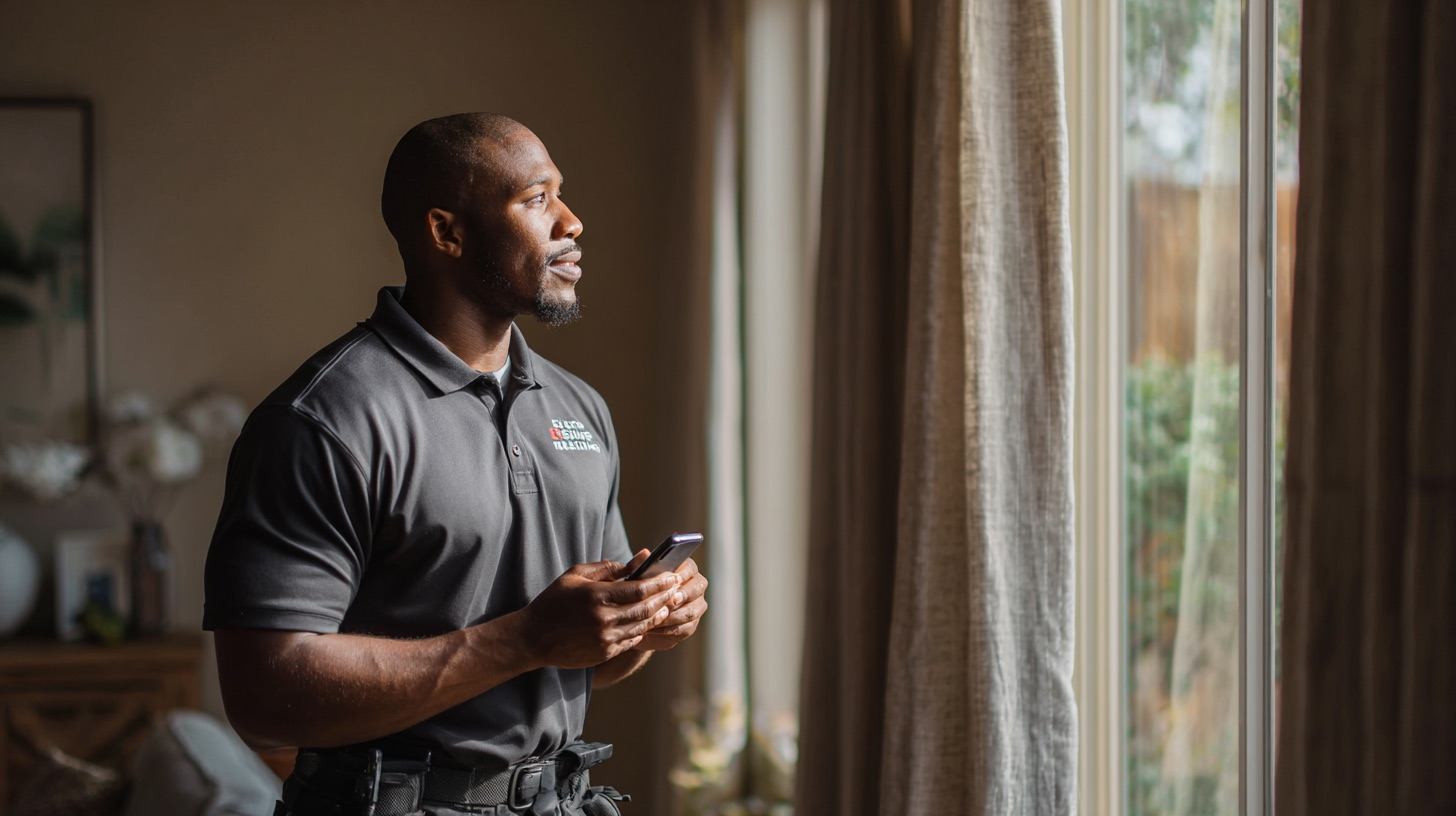
The job is the house. Everything else is supposed to serve that. But a lot of inspection software has it backwards, turning the inspection into a tapping session where you fight menus and checkboxes while the actual house waits. The best tool is the one you barely notice while you work. Here is what that looks like, and why it matters more than any feature list.
The tapping problem
Watch an inspection run on menu-heavy software and you will see it: the inspector stops at every finding, looks down, thumbs through categories, taps a checkbox, maybe types a note, then looks back up to remember what they were doing. Multiply that by a few hundred observations and you have added an hour to the job and split your attention the whole time.
Split attention is not just slow. It is where things get missed. Every time your eyes go to a screen, they leave the house.
What "out of the way" really means
Software stays out of the way when it lets you keep doing the physical job the way you always have, and captures your work without demanding your attention.
- Hands free for the work. One hand for the flashlight, one for the ladder or the panel. Not both thumbs on a screen.
- Eyes on the house. You look at the defect, not at a menu tree, while you record it.
- Capture by talking. You say what you see in your own words, the moment you see it, and keep moving.
- No stopping to write. The writing happens from your speech, not from you typing at each stop.
The test is simple. At the end of the walk, did the software make you inspect differently, or did it just quietly record the inspection you were already doing?
Why voice-first is the answer
Talking is the one input that does not pull you out of the job. You can speak a full, careful observation while your eyes stay on the rafter and your hand stays on the flashlight. No checkbox tree can match that, because every tap is a small interruption and speech is none.
The catch is what happens to the speech. If it becomes a fresh AI-written sentence, you saved time on site and lost your voice. If it becomes your own saved comment, matched from your library, you saved time and kept your voice. Voice-first only fully pays off when it feeds your own words back to you.
The offline reality
Real inspections happen in crawlspaces, attics, and basements where signal dies. Software that stays out of the way keeps capturing down there: your audio, comments, and photos are stored on the device and sync up when signal returns. The transcription and matching finish once you are back in range. You never stop working because the bars dropped, and nothing you captured is lost.
How Mach One stays out of the way
You inspect the way you always have and talk as you walk. Your words are captured on site, matched to your own saved library, and turned into a report that sounds like you, filling in as you go. It keeps capturing offline and catches up when signal returns. The software does not run the inspection. You do. It just gets out of your way and writes it down.
Your software is shutting down. We import the library you spent years building.